
Self-Managing vs. Hiring a Property Manager: Which Option Is Right for Your Rental?
A rental property can feel simple on paper: collect rent, fix problems, renew the lease. Then a pipe leaks on a Sunday, a tenant misses a payment, and a city notice shows up with a deadline you did not expect.
That is where the real choice begins. Should you handle the work yourself, or pay a property manager to run the day-to-day?
Both paths can work. The better fit depends on your time, skill, distance from the property, and tolerance for late-night problems.

What self-managing really involves
Self-managing is more than collecting rent. It means acting as the leasing agent, maintenance coordinator, record keeper, compliance checker, and first point of contact.
Typical tasks include:
Advertising the rental
Screening applicants
Writing and signing lease documents
Collecting rent and deposits
Handling maintenance requests
Scheduling repairs
Tracking income and expenses
Sending notices when needed
Managing move-ins and move-outs
Staying aware of landlord-tenant rules
For some owners, self managing rental property can be a smart way to protect cash flow. You avoid management fees and stay close to every detail. You know the condition of the property, the quality of repairs, and the tenant experience.
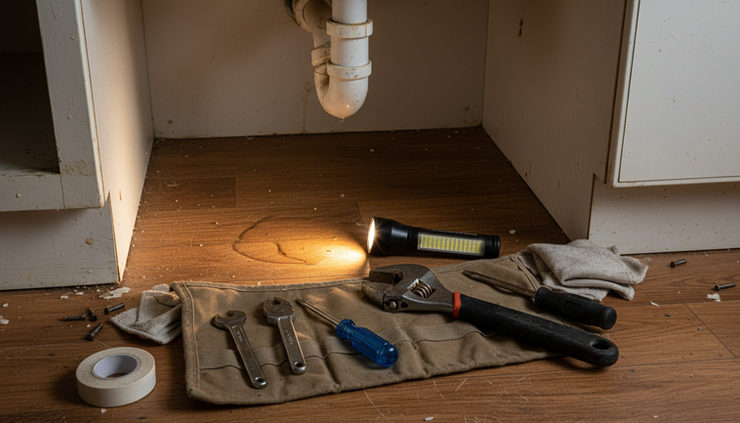
The tradeoff is time. Even a good tenant can need quick help. Appliances fail. HVAC systems break during heat waves. Neighbors complain. Rent arrives late. If you manage the property yourself, those issues land with you.
Self-management tends to work best when the property is nearby, the rental is in good condition, and you have enough time to respond quickly.
What a property manager usually handles
A property manager takes over many daily duties. The exact service depends on the company and contract, but most managers help with leasing, rent collection, maintenance coordination, inspections, and tenant communication.
Many also know local rental rules, fair housing requirements, security deposit practices, and notice procedures. That knowledge can reduce mistakes, especially for owners who are new to renting or live in another state.
A manager does not remove every responsibility. You still own the asset. You still approve major expenses, review reports, and make big decisions. Good management gives you help, not a blank check.
The biggest cost is the fee. Many companies charge a monthly management fee, often based on collected rent. There may also be leasing fees, renewal fees, inspection fees, or maintenance coordination charges. Read the agreement carefully before signing.
Compare the costs beyond the monthly fee
The cheapest option is not always the lowest-risk option. DIY property management can save money, but only if you value your time at zero and avoid costly mistakes.
A missed legal step, weak tenant screening process, or delayed repair can cost far more than a monthly management fee. On the other side, hiring the wrong manager can also drain profits through poor communication, high vendor costs, or long vacancies.
Cost factor | Self-managing | Hiring a property manager |
Monthly management fee | None | Usually a percentage of collected rent |
Leasing work | You handle photos, showings, screening, and lease signing | Manager handles most or all leasing tasks |
Maintenance coordination | You find vendors and follow up | Manager coordinates repairs through vendors |
Time commitment | Higher and less predictable | Lower, but owner oversight still matters |
Legal process risk | Higher if you are unfamiliar with rules | Lower if the manager is experienced and careful |
Control | Very high | Shared with the manager |
A helpful way to compare property manager vs self management is to estimate the hours you spend each month, then assign a realistic value to that time. Include calls, messages, bookkeeping, lease work, repairs, and travel.
If self-management takes six hours in a normal month and much more during turnover, the savings may not be as large as they first appear.
When self-management makes sense
Self-management is often a good fit when you want full control and can respond fast.
It may be the right path if:
You live close to the rental
You understand basic landlord-tenant rules
You have reliable contractors
You can answer tenant messages promptly
You enjoy working directly with people
You keep organized records
You have only one or two properties
You want to learn the business by doing the work
Self-managing can also help new owners understand how their property operates. You learn what breaks, what tenants ask for, how long repairs take, and which expenses repeat. That knowledge helps even if you hire a manager later.
The key is being honest about availability. If work, family, travel, or stress will keep you from responding well, the savings may come at a cost.

When hiring a manager is the better move
A property manager becomes more valuable as complexity grows. Distance, multiple units, older homes, difficult tenant situations, and strict local rules all add pressure.
Hiring help may be the better choice if:
The rental is far from where you live
You own several properties
You do not have time for tenant calls
You dislike conflict or enforcement
You travel often
You are unsure about legal notices or deposits
The property needs frequent repairs
Vacancies take too long to fill
A manager can also add value during turnover. Good leasing work affects rent quality, vacancy length, and tenant fit. That means better photos, market-aware pricing, careful screening, and clear move-in expectations all matter.
Still, hiring a manager is not a set-and-forget decision. Review statements. Ask about repair costs. Track vacancy time. Read tenant feedback when available. A good manager should make ownership easier, but you still need to watch the performance of the rental.
How to choose the right path
Start with a simple self-check.
Ask yourself:
Can I respond to urgent issues the same day?
Do I know the rental laws that apply to my property?
Do I have vendors I trust?
Can I handle uncomfortable tenant conversations?
Do I have a system for rent, records, inspections, and notices?
Would I still want to do this during a busy month?
If most answers are yes, self-management may fit well. If several answers are no, a property manager may protect your time and reduce stress.
For some owners, the best answer is a mixed approach. You might manage the property yourself while it is occupied, then pay for tenant placement when it becomes vacant. Or you might self-manage one nearby rental and hire help for a property in another city.
The decision can also change over time. A new owner may self-manage to learn the process. A growing investor may hire management once the portfolio becomes too much to handle alone.

The best choice is the one you can sustain
Self-management gives you control and can improve cash flow, but it requires time, skill, and steady attention. Hiring a property manager costs more, but it can reduce daily work and help you avoid avoidable mistakes.
Choose based on the reality of your schedule, not the perfect version of it. A rental property performs best when someone is managing it consistently, responding quickly, and keeping clean records.
If that person can be you, self-management may be a strong fit. If not, the right property manager may be well worth the cost.


Comments