
Hurricane Season Checklist for Central Florida Rental Property Owners
- jeremy19388
- 2 days ago
- 5 min read
Every June, Central Florida landlords face the same six-month countdown: hurricane season. Whether you own a single-family rental in Orlando, a duplex in Kissimmee, or a multi-unit property in Winter Park, hurricane preparedness isn't optional — it's a core part of protecting your investment, your tenants, and your bottom line.
The problem is that most hurricane advice online is written for homeowners, not landlords. Your checklist looks different when you're managing a property you don't live in, coordinating with tenants you can't reach in person, and juggling insurance policies, lease clauses, and vendor availability all at once.
This guide breaks down exactly what Central Florida rental property owners need to do before, during, and after a storm — so you can protect your asset and stay compliant with Florida law.
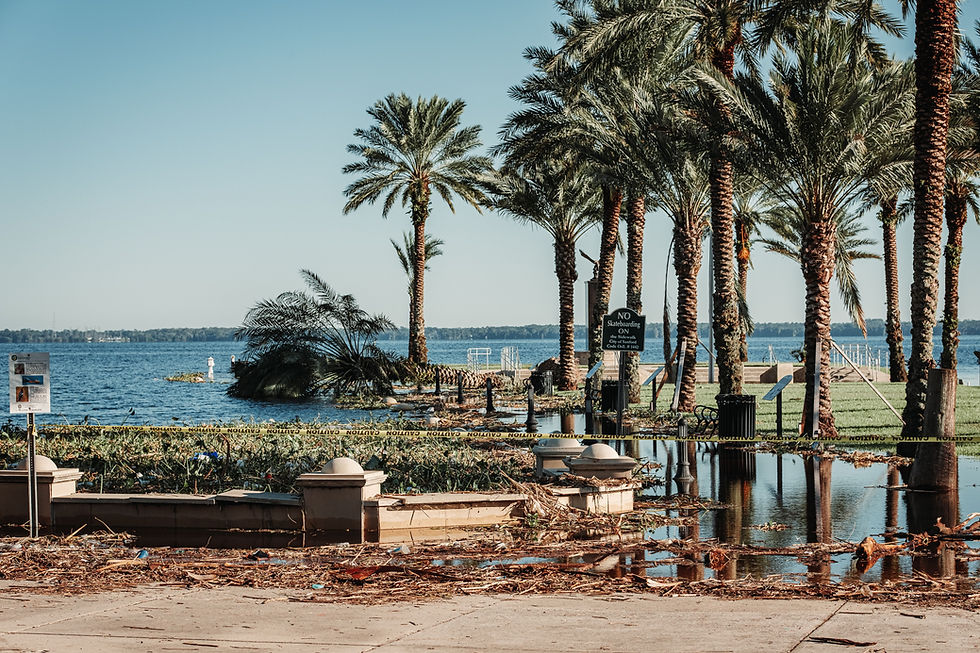
Why Hurricane Prep Is Different for Landlords
When a storm threatens Central Florida, homeowners just take care of their own house. Landlords have to manage a property from a distance, communicate with tenants who may not prioritize storm prep the way an owner would, and handle the legal and financial fallout if something goes wrong — from lease disputes over "uninhabitable" units to insurance claims that hinge on whether the property was properly maintained beforehand.
That's why a generic "hurricane checklist" isn't enough. Landlords need a system.
1. Review Your Insurance Coverage Before June
Don't wait until a storm is in the forecast to check your policy — many insurers won't let you make changes once a storm is named and tracking toward Florida.
Before hurricane season starts, confirm:
Windstorm and flood coverage are both active. Standard landlord policies often exclude flood damage, which requires a separate policy through the National Flood Insurance Program (NFIP) or a private carrier.
Loss-of-rents coverage is included. If your property becomes uninhabitable after a storm, this covers the rental income you'd otherwise lose during repairs.
Your dwelling coverage reflects current rebuild costs. Construction costs in Central Florida have risen significantly in recent years; an outdated policy can leave you underinsured.
You have digital copies of your policy declarations page stored somewhere accessible even if your property's power and internet are out.
2. Inspect and Reinforce the Property
Once you're inside the official hurricane season window, walk the property (or send a maintenance vendor) to check for vulnerabilities:
Roof condition — loose shingles or tiles are the most common source of storm damage and the easiest to prevent with a pre-season inspection.
Gutters and downspouts — clear debris so heavy rain drains properly instead of pooling against the foundation.
Trees and landscaping — trim branches near the roof or power lines; falling limbs are a leading cause of rental property damage during Florida storms.
Windows and doors — confirm they seal properly, and consider impact-rated windows or shutters if the property doesn't already have them.
Exterior structures — sheds, fences, and detached garages should be inspected and secured separately from the main dwelling.
3. Prepare an Emergency Supply Plan for the Property Itself
This isn't about stocking your tenant's pantry — it's about protecting the structure and systems you're responsible for:
Have a trusted contractor or handyman on call before storm season gets busy (good vendors book up fast once a storm is approaching).
Keep a small supply of plywood, tarps, and sandbags on hand or know where to source them quickly.
Know your property's shut-off locations for water, gas, and electricity in case of emergency repairs.
If the unit is vacant, unplug non-essential appliances and elevate anything stored on the ground floor in flood-prone areas.
4. Communicate Clearly With Tenants — And Document It
This is where many landlords fall short, and where legal exposure tends to show up after a storm.
Send a hurricane preparedness notice to tenants at the start of each season outlining their responsibilities (moving patio furniture indoors, reporting leaks immediately, etc.) versus yours.
Confirm emergency contact information is current for every tenant.
Clarify evacuation expectations in writing, especially for properties in flood zones or manufactured housing, where Florida law may require earlier evacuation.
Keep written records of all storm-related communication. If a dispute arises later over habitability or repair timelines, documentation protects you.
5. Know Florida's Landlord Obligations After a Storm
Florida law doesn't pause your responsibilities just because a hurricane passed through. After a storm, landlords are still expected to:
Make the property habitable within a reasonable timeframe, or address rent abatement if it isn't.
Respond promptly to tenant repair requests tied to storm damage.
Follow proper procedures if the property is declared uninhabitable and a lease needs to be terminated early.
Because these situations can get legally complicated quickly, it's worth reviewing your lease's force majeure and casualty clauses before hurricane season — not after a storm has already hit.

6. Create a Post-Storm Inspection and Documentation Plan
As soon as it's safe to access the property after a storm:
Photograph and video every area of the property, inside and out, before any cleanup begins. This documentation is critical for insurance claims.
Inspect for hidden damage — roof leaks and moisture intrusion often don't show up until days or weeks later, so schedule a follow-up inspection.
File insurance claims promptly. Most policies have strict reporting windows, and delays can complicate or reduce payouts.
Check in with tenants directly rather than relying on them to report every issue — stress and disruption after a storm often mean smaller problems go unmentioned until they become bigger ones.
Building Hurricane Prep Into Your Year-Round Property Management
The landlords who come through hurricane season with the least damage and the fewest disputes are the ones who treat storm prep as an ongoing part of property management — not a scramble every time a storm enters the Gulf.
That means:
Scheduling roof and exterior inspections every spring, before the season officially begins June 1.
Building loss-of-rents and flood coverage into your standard insurance review, not treating them as optional add-ons.
Keeping tenant communication and documentation consistent year-round, so your records are already in order if a storm hits.

Final Thoughts
Hurricane season is one of the few predictable risks Central Florida landlords face every single year — which means it's also one of the most preventable sources of financial loss, if you plan ahead. A property that's properly inspected, insured, and documented before a storm will always come out in better shape — financially and legally — than one that isn't.
If you'd rather not manage hurricane prep, tenant communication, and post-storm inspections on your own, a local property management team that already has vendor relationships, documentation systems, and Florida-specific legal knowledge in place can take this entire process off your plate — season after season.
Looking for help preparing your Central Florida rental property for hurricane season? Contact CANI Property Management for a property assessment before the next storm rolls in.


Comments